

Courtesy of Perkins&Will
An architecture firm with deep roots in Denver is playing a key role as the Denver Broncos look to build a new stadium at Burnham Yard in the heart of the city.
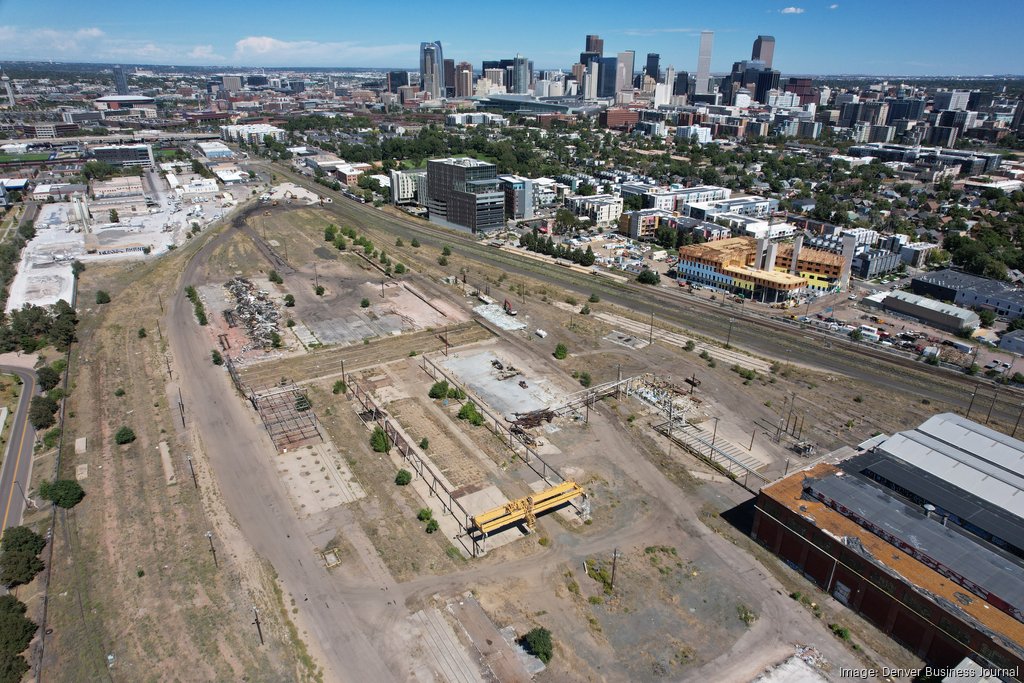
Perkins&Will is leading small area planning efforts, which account for the infrastructure needed to turn Burnham Yard from an abandoned rail yard into a working neighborhood.
The company was hired to work on the area years ago, when the Colorado Department of Transportation bought the land. The city of Denver wanted to figure out what zoning would work in the area, what could be built there and how a transit-oriented development could spring from an entirely industrial area.
Don Ireland for Denver Business Journal
Things changed when the Denver Broncos stepped in several years ago. Instead of a general private development, the team at Perkins&Will found itself considering a stadium with an entertainment district.
“We were like, hey, this may actually turn into a very significant land owner of not only the old rail yard, but some of the properties around it,” said Stephen Coulston, principal with Perkins&Will. “We’ve been going through a really involved community engagement process.”
In a press conference on Jan. 28, Broncos owner Greg Penner said the team is listening closely to that process.
“We think that we will create something that is going to be special for the city of Denver and the state of Colorado,” Penner said. “We also understand that when you take on a project of this scale, there is going to be a lot of different opinions, and we have to take those in and then come up with the right solution.”
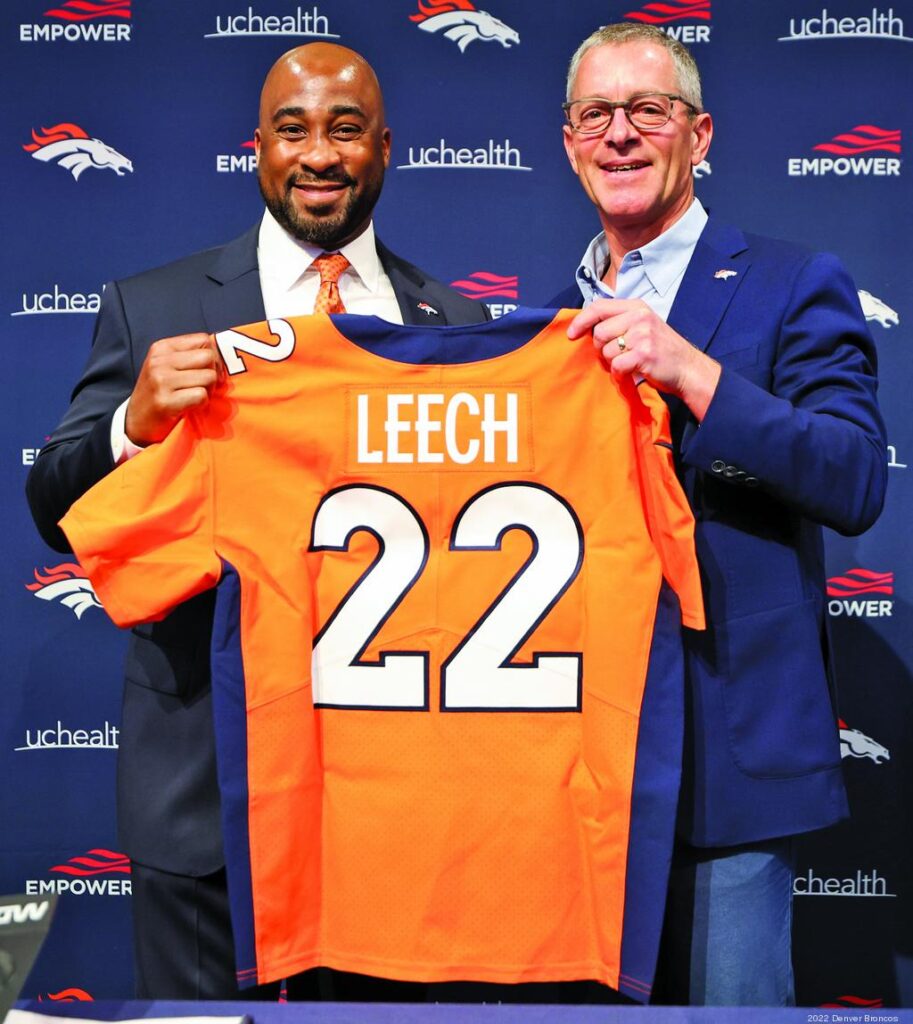
Photo by Gabriel Christus/Denver Broncos
It’s far from the first time Perkins&Will has developed creative design processes and planning solutions for a project in Denver. Since its formation in 1962, the firm that would eventually bear the Perkins&Will name has helped make many significant structures in the area a reality.
Along the way, it’s become a national expert in sports, recreation and civic work — expertise it’s using on the Burnham Yard project and harnessing to grow its health care and urban design practices.
‘The smallest big firm’
Originally called Charles S. Sink & Associates when it was founded 64 years ago, the firm was known as Sink Combs Dethlefs for most of its existence.
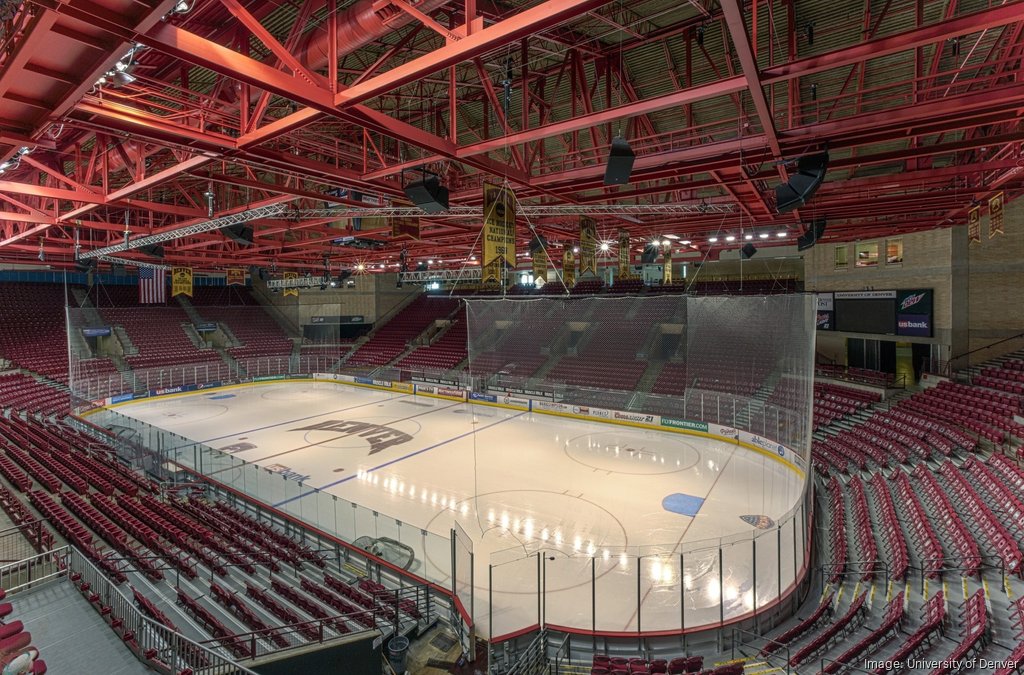
It worked on several structures important to sports and entertainment in the Denver area, such as the 115,000-square-foot Pat Bowlen Fieldhouse in Englewood, which opened in 2014, and the University of Colorado Boulder’s Folsom Field expansion. Sink Combs Dethlefs also designed Magness Arena at the University of Denver and built McNichols Arena, which was the home of the Denver Nuggets from 1975 through 1999 before being demolished.
University of Denver
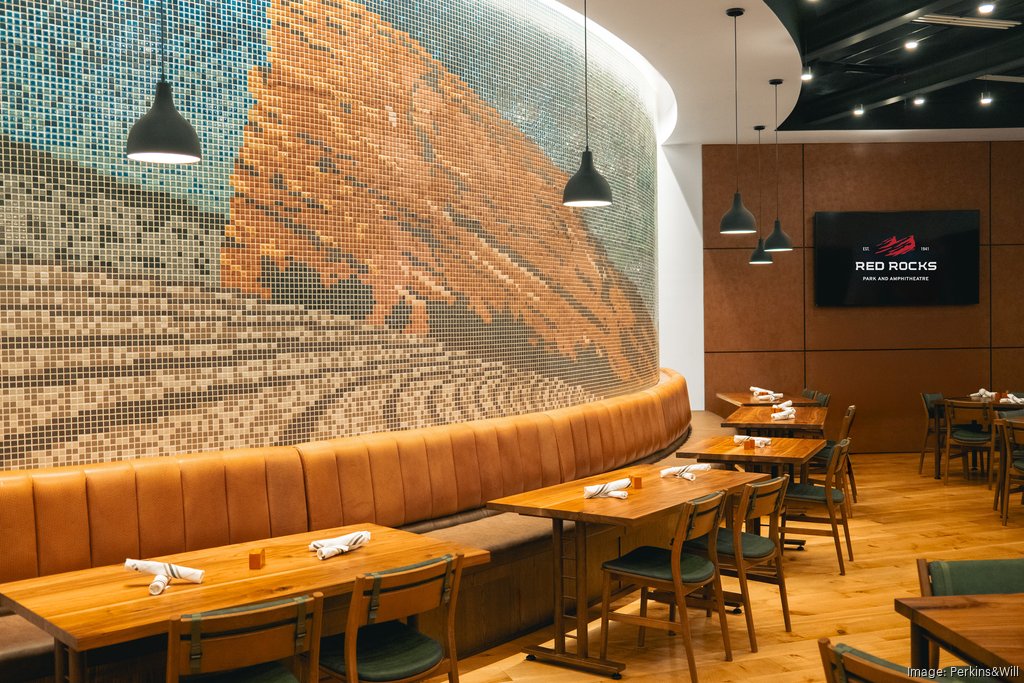
A flagship project for Sink Combs Dethlefs was the Red Rocks Museum and Visitor Center, which added concessions, bathrooms and a welcome center to the iconic music venue built by the Civilian Conservation Corps in the 1930s and completed in 1941.
“Our design solution was to go underground so that we wouldn’t disturb the natural beauty of the place,” said Jennifer Stephens, a principal who has worked at the firm for 35 years. “It’s a very Denver solution, especially to such a beautiful, natural spot.”
Stephens said she went to the library to research old photographs when the Red Rocks project began. She still takes pride in the design, joking that her family gets annoyed at her discussing the history of the music venue every time they attend a concert.

Perkins&Will
Sink Combs Dethlefs merged with Chicago-based Perkins&Will in 2017. Perkins&Will is now celebrating 90 years as a company with the Denver branch contributing to more than 60 years of that history.
Perkins&Will honors history in many of its projects, including the firm’s work to restore the Sussex and Buerger Bros. buildings in downtown Denver’s Larimer Square. The firm’s own office, in the 1927 Rainbow Building, is an example of adaptive reuse. Stephens said her grandparents danced there when it was used as a music venue.
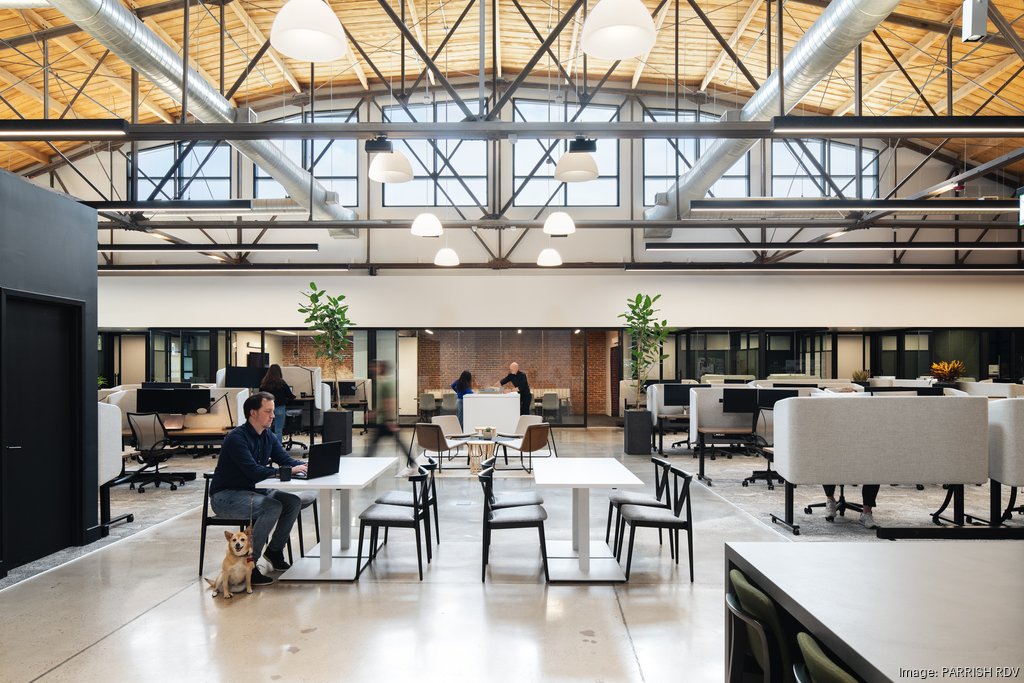
Courtesy of Perkins&Will
Ernest Joyner, principal and managing director of Perkins&Will’s Denver office, has been with the organization for several decades, including back when it was Sink Combs Dethlefs. Joyner said the merger in 2017 hasn’t impacted the dedication and character of the group’s practice.
“When we joined Perkins&Will, everything just became even more elevated in terms of expertise. It brought in lots more resources and practice areas,” Joyner said. “We like to call ourselves the smallest big firm, because it still feels like that.”
Since the acquisition, the firm has continued to shape big projects in Denver, such as the National Western Center Equestrian Arena. The firm is contributing to urban planning efforts for the future of Ball Arena as well, firm leaders say.
Architecture that serves the community
While remaining a global resource for sports design, Perkins&Will’s Denver office is expanding its urban design practice.
The Burnham Yard plan is one element of that practice. Perkins&Will is a subcontractor for HDR, which is overseeing the city’s planning efforts for the infrastructure around the stadium, according to previous Denver Business Journal reporting.
The small area plan attached to the Burnham Yard project covers 820 acres, according to Coulston, who is helping lead the firm’s planning work.
Coulston said the project is what brought him to Denver after years working for Perkins&Will in Austin.

Perkins&Will
“When we were talking about the small area plan for Burnham Yard, it had more to do with the fact that the state had acquired the railroad,” Coulston recalled, adding that only recently did his team learn about the Broncos’ plans.
Perkins&Will’s role is to help with community engagement and ensure the various planning efforts for the site are cohesive to create a transit-oriented development.
“We’re trying to all synchronize all of these pieces together in terms of thinking about the bigger picture around mobility,” Coulston said.
Along with expanding the local urban design practice, Perkins&Will is growing its aviation, science and technology and health care practices. Mackenzie McHale, associate principal for health, is building out a team for health care work, having moved over from HKS Architects in the last year along with several of her team members.
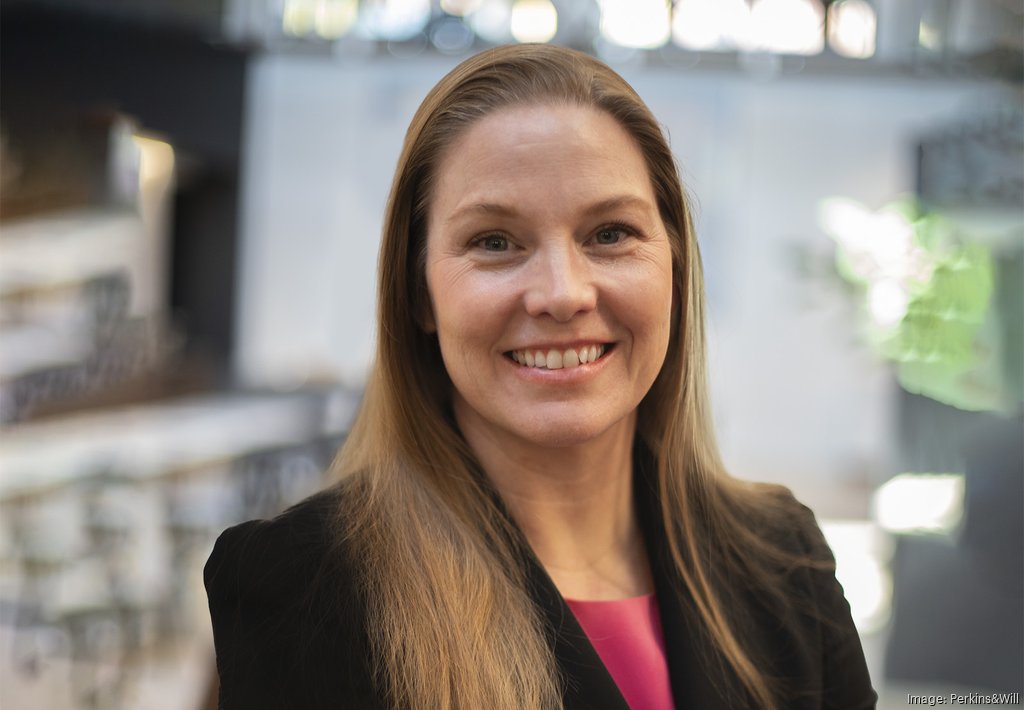
Perkins&Will
McHale said Perkins&Will is currently focused on metro Denver and hopes to help expand rural Colorado health access in the future.
“Every time I’m in a new facility or treatment center, I really feel closer and closer to the tribulations that they have to deal with,” McHale said. “From a design perspective, I know how to show up better and better every time.”
The company is also focusing on health by leading the development of a “Red List” of materials that are toxic or otherwise harmful while encouraging builders and designers to use more sustainable alternatives, Joyner said. Additionally, the firm sets aside a certain number of hours per year to provide pro-bono planning and design work to local nonprofits.
Stephens said those practices are what make Perkins&Will stand out.
“It’s really our commitment to creating places that better their communities,” she said. “So much of architecture is about the communities that it serves. And if you get that wrong, then you’ve not served the community, you’ve not served the client, you haven’t done anything that a good architect should be doing.”
Correction/clarification: A story highlight was updated to clarify Perkins&Will’s role in the development around the future stadium at Burnham Yard.